Happy Sad Behavior Chart (age: pre-readers)

Charts can be a parent’s best friend. In fact, charts can be any caregivers best friend! Sometimes it is hard to know how to discipline those adorable chubby cheek toddlers. Here are some ideas for the pre-readers in your family so they can know what on earth you are talking about!happysadgraphic

SUPPLIES:

  • Small bulletin board
  • Cut outs of a happy face and a sad face (print, cut, glue onto thin cardboard)
  • Masking tape to divide the board into halves
  • Cut outs of common activities (print, cut, glue onto thin cardboard)
  • Thumb tacks

Here is how this works. All photos start on the “Happy” side of the board. Show your tot how awesome they are. Talk them up! Let them know you are so happy and that is why they can do all those happy things! “Oh how fun! What should we do first!?!” If they are under 4 years old, DO NOT yet present the other side until you go to use it. It is too much for them to retain just yet. When an infraction occurs such as not listening, being bold, etc…, walk them to the board and get down to their eye level, and explain what they did that was wrong. Then ask them what their favorite activity is on the board (I know…it’s cruel), and then let them know they cannot do it. You are moving it to the “Sad” side because they made you “Sad” by doing what they did. Have them help you move it. Doing = Learning = Responsibility. Ask them to apologize. Hugs, kisses, and move on! This is quick. There is no lecture. Keep the day moving. Next time you observe a positive behavior walk them to the board and get down to their eye level, and explain what they did that was right. Praise them and have them help you move the least favorite item back to the happy side, so whatever was the last one moved. Hopefully in time all the items will be on the happy side!

So why be cruel, you ask? Great question! In short, because you want to be effective. Their feelings change constantly. They may not even want to play outside so moving that piece would be ineffective. You want to give them what they need, not what they want. It is kind. Being fearful, not wanting them to cry, being overly sentimental about a minor privilege does not help either of you. As adults we work for what we want. If we do not do the work, we do not get what we want. Just as they will be unable to manipulate their bosses to paying them anyway, even if they have done an awful job, they shouldn’t learn they can manipulate you. It may make them short term happy but not long term happy. Long term happiness is grounded in security that is the fruit of firm boundaries.

Join our Facebook Discussion https://www.facebook.com/groups/322007224621891/


Discipline Checklist


Discipline should be done with-

disss

  • šWisdom
  • šConsistency

  • šConfidence
  • šLove
  • šPatience

  • šKindness
  • šGentleness
  • šSelf-control

Always discipline according to age and maturity and consider this-

a 3 year old runs out of patience before you do because you should have more patience than a 3 year old!

Join our Facebook Discussion https://www.facebook.com/groups/322007224621891/

Personality Spectrums “Who Are You?”

safe3Every child comes hardwired with their own personality traits. There are positive and negative sides to each trait; you can think of them as extremes. As parents we are charged with the delicate task of helping children manage those traits and more specifically those extremes. Let’s look at two basic areas now and then jot down the traits that manifest in your life to see where the positive and negatives ends of the spectrum are. To effectively discipline your child you have to know yourself and you have to know them. Differences may be striking!

The Passionate Child~ This child is incredible passionate about everything. They love deeply and injure easily. The tend to be very sensitive towards life. They will be your little cuddle bunnies and bask in your warmth. They will cry, tantrum, and rage a bit easier than the others. They also tend to love justice but have a very raw idea of what justice should entail. They tend to become lost in their anger as easy as they become lost in love. They need to learn their limits and require a lot of help refining their passions to appropriate levels. As they grow into teen years, they tend to be bullied a bit easier by others who feed off their sensitivity. They tend to not like a peer but rather LOVE the peer. They do not have many marginalized friendships but rather end up with one or two BEST friends. As adult years arrive they become less bullied and more comfortable. They still may have few friendships but they are solid friendships. They tend to be faithful to their families. They are more prone to serving others with natural empathy and have trouble understanding why others can look the other way when there is a clear need. Forgiveness is a constant struggle because hurts are felt at a deep level. They love so much it hurts at times and they make a refuge for other hurting people.

The Perfect Child~ This child is the apparent natural at everything they do. They are not just good at math, they are top of their class. They are not just athletic, they are team leaders. Contrary to popular belief, this perfect child is not any more self seeking than others. They tend to lower their head after they achieve something instead of relish in the praise. Praise can actually make them rather uncomfortable. They work very hard to obtain a typically intrinsic standard. As they get older they tend to show off a bit more to hide their constant fear of failing. They enjoy succeeding in what they do and the outcomes (grades, scores, etc…) matter deeply to them. They tend to make casual friends easily and in great number but generally feel alone. As adults, these positives and negatives remain. They will love others but often require correction when it comes to the sympathy department. Forgiveness can often come quick for this person since hurts can typically be packaged up and dealt with, without lingering trauma.

See we all have unique personalities and as we grow older, they tend to become less extreme or at least easier to hide. Instead of the Passionate Child pitching a massive, tear-filled tantrum in front of all of their co-workers, they maintain control and may need to express it later or hold it in, if they lack an outlet. The Perfect Child may be able to received a compliment with ease as an adult, even if there are anxieties bubbling up whispering they could have done better. You cannot change who your child is. You cannot force them to be just like you. Instead, accept who they are. Never tell your Passionate Child to “not let those bullies bother you” or just “turn the other cheek” but you can teach them to journal and talk about their feelings, love others who offend them, and enjoy who they were created to be. You cannot tell your Perfect Child that “it’s just a game” or that “they can do better next time,” but you can help them appreciate the differences in others, speak kindly, and give them avenues they can feel good about.

So my questions for you…

  1. What kind of child are you? Passionate, perfect, funny, shy, etc…
  2. What do your extremes look like?
  3. What kind of child do you have?
  4. What do their extremes look like?
  5. What are some extremes in your home that need to be reigned in?

Join our Facebook Discussion https://www.facebook.com/groups/322007224621891/

Coping With Your Angry Child “The Anger Diaries”

bombDo you have an angry kid? Does your child make you consider sleeping with one eye open? Do you ever find yourself wondering where this temper came from and worrying you make be on a Dateline Special someday? You have probably heard that angry kids come from angry parents. There is a lot of truth in that but not the only truth. In fact, it is very normal for kids to show extreme temperament and sometimes even rage that stems merely from their innate personality. For now we will focus on this latter truth and we will address the angry parent later.

You may be a very quiet, demure mother or a very tenderhearted, patient father. It does not create an immunity to this common issue. You have three distinct challenges. The first is to STOP panicking! Your next challenge is to change your language. From now on we will refer to this “rage” and “anger” as “passion.” Changing your language will help you parent out of compassion, rather than fear. You final challenge is to address and offer solutions that work for your unique child.

The first idea I will offer for you to try is called The Anger Diaries. (sounds like a made-for-tv movie). In short, an Angry Diary will give your child a safe outlet for all the “passion” that is building up inside of them and train them to . Ahead of time you will need to

  1. Designate the diary. This could be a notebook, a journal, a binder with loose paper, etc… Make this fun. Let them know that you are going to create or buy a special diary. Designate a pencil case or pouch with markers, crayons, pens, and/or pencils specific for the diary. Designate a specific safe spot where this is all kept. Since waves of passion can come and go quickly, you do not want to waste any time searching out the outlet.
  2. Choose who will write in the diary. This is your child’s diary to share with Mom, Dad, or both. No one else is to write in this, unless it has been decided from the beginning. Don’t feel discouraged if your child is able to express better with one parent over the other. This too is natural. If they choose to open it to both parents, then lovely!
  3. Explain they can write or draw their feelings and emotions. They will not be in trouble for doing so. Explain you will write them back. Each time someone writes they will let the person know to look at the diary and simply leave it in the safe spot.

You must have specific guidelines or this will not work!!

  • Establish who will write in the journal
  • Establish who can read the journal
  • Establish how to exchange the journal
  • All communication should be reserved to a back and forth, unspoken dialogue (some little ones may need reading and writing help)
  • Keep it just long enough to be efficient but save to long writing for your diary
  • No self-incrimination; cannot be used in a court of family law!
  • Each writer is allowed his own feelings
  • Writer should not fear consequence, lecturing, or irritability
  • Responses should be humble, honest, and should never be aggressive
  • Before and after each communication, there should be active love

How to ruin this idea-

  • Post your child’s diary entry on Facebook! Hashtag No Privacy!
  • Use the diary to begin longwinded sit down talks
  • Be sure to show how incredibly offended you are. You know the cheer… “Be Aggressive!Passive Aggressive!”
  • Correct their grammar, “No honey, stooped hed is spelled s.t.u.p.i.d..h.e.a.d”
  • Show their diary to their siblings to set an example

Here is an example for you-

Child entry 1-

Dear Mom,

      My brother shoved me today and I got in trouble, not him. I did nothing wrong. I am so angry still and wish I could be playing play station instead of him because he is so stupid and he shoved me. I think you hate me and you are mean for punishing me instead of him. Everyone is so mean in this house and I got so angry because you grounded me instead of him! I can’t believe how unfair it is. He is a jerk. He should be the one in trouble. Everyone picks on me. You are all against me.

Love, Cookie

Parent response-

Dear Cookie,

         Thank you so much for writing all that. I think it is great how you told me how you were feeling. I would be angry too if I felt everyone was against me! When I feel someone has done something wrong to me, I feel terrible. Today your brother shoved you and that made you feel terrible. Before your brother shoved you, I saw you hit him 3 times. Your brother did not want to hurt you. He just wanted you to stop hitting him. It is important for everyone in our home to feel safe everyday so our rule is no hitting! You cannot hit, your brother cannot hit, Mommy cannot hit, Daddy cannot hit, and your little sister cannot hit. If we allowed people to hit, we would all be scared. No one should feel scared in their home. When someone hits, they cannot have privileges. Because you hit, you cannot have privileges. I love you SO much cookie. You are so kind and make everyone laugh. We all love you. I hope you can stop feeling angry. We love you so much!

Love, Mommy

NOW IT IS OVER! No more talkie talk! Zip it. Heal it. Hugs. Kisses. Moving on!

Here is a printable example for you

Anger Diaries

Join our Facebook Discussion https://www.facebook.com/groups/322007224621891/
Check Yourself

mom1

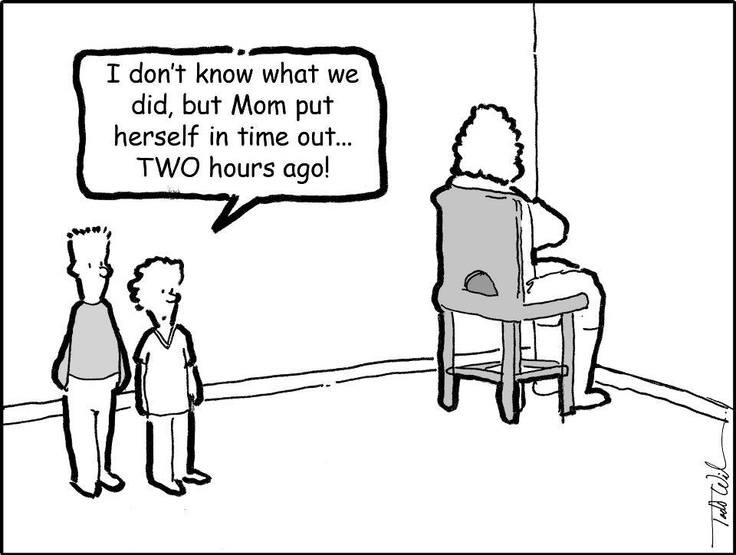
Understanding the personalities in each member of your family is essential to understanding how to discipline and have peace in the home. Notice I am not just talking about children. Understanding yourself is just as important. Are they grumpy, are you? Are they short tempered, are you? Before you say, I can’t believe they…, check yourself. Apologize. Be real.

“It is not our child’s misbehavior that makes us angry because a child’s actions cannot make you feel or do anything. You are in control of your feelings and your actions. . . Here’s an important first step to anger control:  You must accept responsibility for your own anger.”

Elizabeth Pantley

The No-Cry Discipline Solution

“The child who feels right acts right”

Dr. William Sears

“The next time you feel the urge to tell your children to act their age, pay attention. They probably are.” 

Jeff VanVonderen

(Families Where Grace is in Place)

Join our Facebook Discussion https://www.facebook.com/groups/322007224621891/

š